


RETATRUTIDE
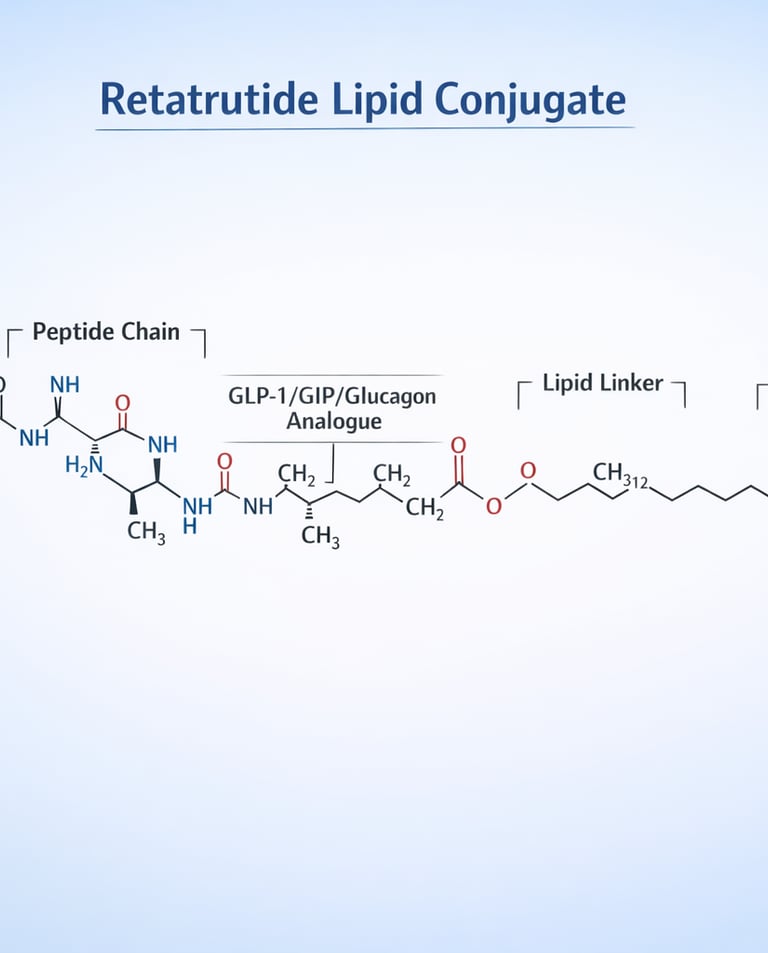
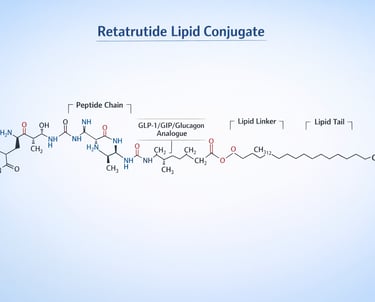
Retatrutide is an experimental medication being developed for the treatment of obesity and type 2 diabetes. It is a triple hormone receptor agonist, meaning it activates three key receptors involved in metabolism:
GLP-1 (glucagon-like peptide-1)
GIP (glucose-dependent insulinotropic polypeptide)
Glucagon
By targeting these three pathways simultaneously, retatrutide aims to:
Reduce appetite and food intake
Increase energy expenditure
Improve blood sugar control
Key findings from clinical trials:
Participants experienced significant weight loss, in some cases exceeding 20% of body weight
Improvements in blood glucose levels were observed
Effects appeared stronger than current GLP-1–based therapies
Side effects:
Common: nausea, vomiting, diarrhea (similar to other incretin-based drugs)
Generally manageable and occur mostly during dose escalation
Current status:
Retatrutide is still in clinical trials and has not yet been approved for general use
Conclusion:
Retatrutide is a promising next-generation therapy that could potentially outperform existing treatments for obesity and type 2 diabetes due to its multi-hormone mechanism.


Retatrutide benefits
Talk to us

